
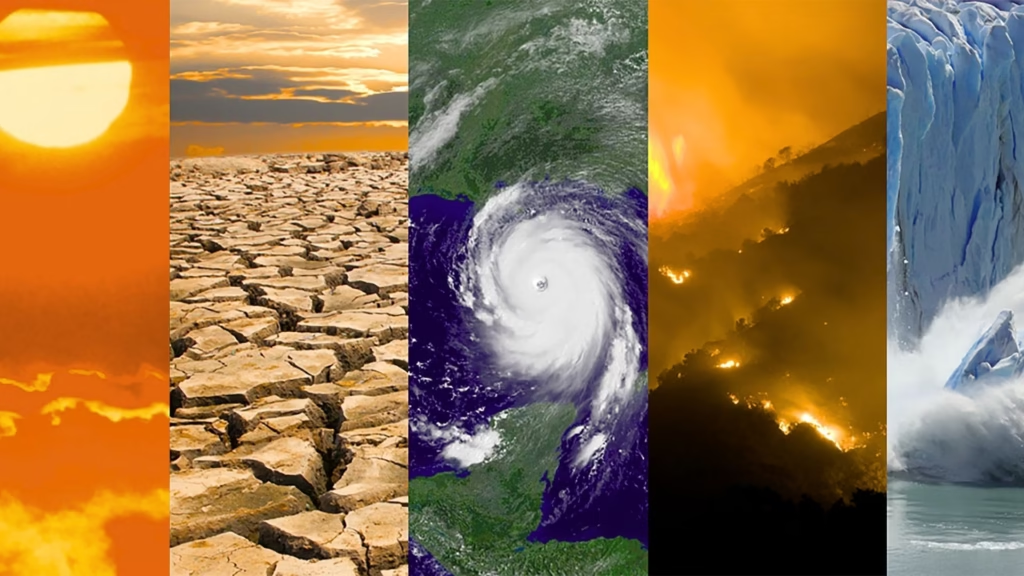
Climate policy has moved from the margins of political debate to the center of global decision-making. As climate risks intensify, governments, corporations, and international institutions are accelerating policy changes aimed at reducing emissions, transitioning energy systems, and promoting sustainable development. These climate policy changes are having far-reaching global impacts that extend well beyond environmental outcomes.
From economic restructuring to shifts in global trade, climate policy is reshaping how nations compete, cooperate, and grow in a rapidly changing world.
Why Climate Policy Is Evolving Rapidly
Rising global temperatures, extreme weather events, and scientific consensus have increased pressure on policymakers to act decisively. International agreements, public demand, and corporate accountability are driving more ambitious climate targets.
Key forces behind climate policy changes include:
- International climate agreements and net-zero commitments
- Increased climate-related financial risks
- Public and investor pressure for sustainability
- Technological advancements in clean energy
As a result, climate policy is no longer optional—it is a strategic priority with global implications.
Economic Impacts of Climate Policy Changes
Climate policies directly influence economic structures at both national and global levels. Carbon pricing, emissions regulations, and renewable energy incentives are altering cost structures across industries.
Major economic effects include:
- Rising investment in renewable energy and green infrastructure
- Decline in fossil fuel dependency and related industries
- Job creation in clean technology sectors
- Increased compliance costs for carbon-intensive businesses
While some sectors face short-term disruptions, climate policy-driven innovation is creating long-term economic opportunities worldwide.
Global Trade and Supply Chain Adjustments
Climate policy changes are reshaping global trade patterns. Environmental standards, carbon border taxes, and sustainability requirements are influencing how goods are produced and transported across borders.
Key trade-related impacts include:
- Shifts toward low-carbon manufacturing hubs
- Increased scrutiny of supply chain emissions
- Regional trade advantages for green-compliant economies
Countries that align early with climate policies gain competitive advantages, while those lagging behind risk trade barriers and reduced market access.
Energy Transition and Geopolitical Shifts
The global transition toward clean energy is one of the most significant outcomes of climate policy changes. As nations invest in renewable energy, traditional energy geopolitics are being redefined.
Key energy-related impacts include:
- Reduced reliance on imported fossil fuels
- Increased strategic importance of critical minerals
- New alliances around renewable technology and innovation
Energy independence through renewables is becoming a core national security and economic strategy for many countries.
Financial Markets and Investment Behavior
Climate policies are influencing how capital is allocated globally. Financial institutions are integrating climate risk into lending, investment, and insurance decisions.
Key financial shifts include:
- Growth of ESG and sustainable investment funds
- Divestment from high-emission industries
- Increased climate disclosure and reporting standards
Tools and strategic platforms such as Quinté Magic support data-driven decision-making by helping organizations analyze policy trends, manage risk, and adapt to evolving regulatory environments.
Corporate Strategy and Business Transformation
Businesses are increasingly aligning corporate strategies with climate policy requirements. Emissions targets, sustainability reporting, and climate risk assessments are now central to corporate governance.
Common corporate responses include:
- Decarbonizing operations and supply chains
- Investing in clean technologies and efficiency
- Redesigning products for sustainability
Companies that proactively adapt to climate policy changes are better positioned to maintain competitiveness and investor confidence.
Social and Developmental Impacts
Climate policies also have social implications, particularly in developing economies. While climate action can drive sustainable development, it can also create transition challenges for vulnerable communities.
Key social considerations include:
- Workforce transitions from fossil fuel industries
- Energy affordability and access
- Climate finance for developing nations
Effective climate policy balances environmental goals with social equity to ensure inclusive global progress.
Challenges in Global Climate Policy Coordination
Despite progress, climate policy implementation faces challenges. Differences in national priorities, economic development levels, and political systems complicate global coordination.
Major challenges include:
- Policy enforcement and compliance gaps
- Unequal financial and technological resources
- Conflicting short-term economic interests
International cooperation remains essential to achieving meaningful global impact.
The Long-Term Global Outlook
Climate policy changes are reshaping the global system in lasting ways. Over time, they will influence economic resilience, technological leadership, and geopolitical stability.
Looking ahead, successful outcomes depend on:
- Strong international collaboration
- Continued innovation in clean technologies
- Fair and transparent policy frameworks
Countries and businesses that align early with climate policy trends will lead the next phase of global growth.
Final Thoughts
Climate policy changes and their global impact extend far beyond environmental protection. They are redefining economic models, trade relationships, corporate strategies, and global power dynamics. While challenges remain, climate policy also presents unprecedented opportunities for innovation, sustainability, and shared prosperity.
As the world navigates this transition, climate policy will continue to shape the future of the global economy for decades to come.