
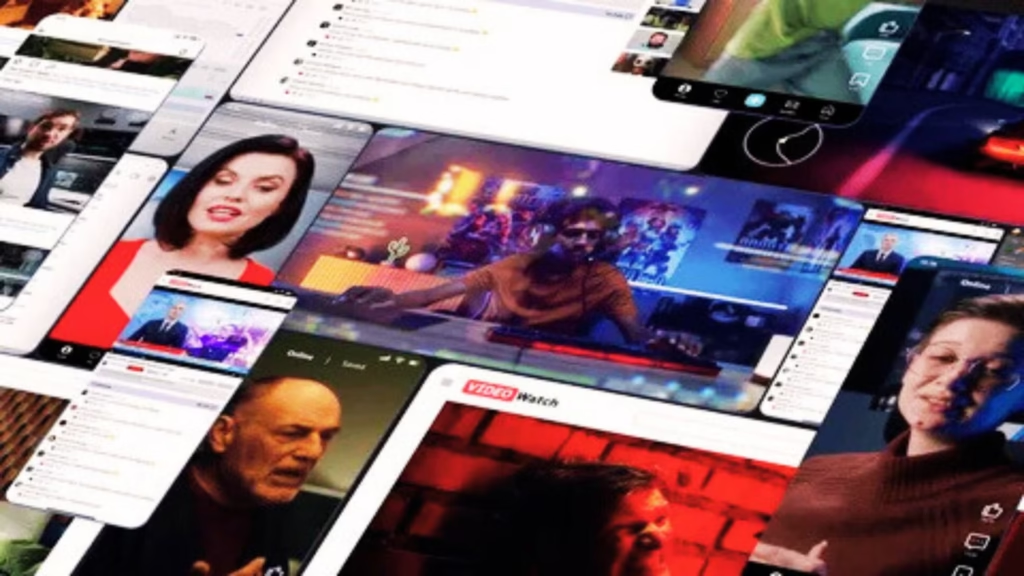
Social media has fundamentally transformed how breaking news is reported, consumed, and shared. What once relied on traditional newsrooms and scheduled broadcasts now unfolds in real time across digital platforms. The role of social media in breaking news coverage has become central to modern journalism, influencing speed, reach, and public engagement like never before.
As information travels instantly, social media platforms have become both powerful tools and complex challenges for news dissemination.
How Social Media Changed the Speed of News
One of the most defining features of social media is speed. Breaking news often appears on platforms like X, Facebook, Instagram, and TikTok before traditional media outlets publish formal reports.
This real-time nature allows:
- Immediate eyewitness reporting
- Live updates during unfolding events
- Rapid global dissemination of information
Journalists now monitor social media feeds as primary sources during emergencies, protests, natural disasters, and political developments.
Citizen Journalism and On-the-Ground Reporting
Social media has given rise to citizen journalism, where ordinary individuals document events as they happen. Smartphones and live-streaming tools allow anyone to capture photos, videos, and firsthand accounts.
Citizen-generated content:
- Provides early visual evidence
- Offers perspectives from affected communities
- Enhances coverage in inaccessible locations
However, it also raises questions about verification and context, making responsible reporting more critical than ever.
The Role of News Organizations on Social Platforms
Traditional media outlets have adapted by integrating social media into their reporting strategies. News organizations use these platforms to break stories, provide updates, and engage audiences directly.
Key benefits include:
- Wider audience reach
- Instant feedback and engagement
- Ability to correct or update information quickly
Social media has shifted journalism from a one-way broadcast model to a dynamic, interactive conversation.
Challenges of Accuracy and Misinformation
While social media accelerates news coverage, it also amplifies misinformation. Unverified reports, manipulated images, and misleading narratives can spread rapidly during breaking news events.
Major challenges include:
- Difficulty verifying sources in real time
- Algorithm-driven content amplification
- Public confusion between credible and false information
Journalists and platforms alike face increasing pressure to balance speed with accuracy to maintain public trust.
You Can Also Read: public health preparedness
Platform Algorithms and News Visibility
Social media algorithms play a significant role in determining which news stories gain visibility. Engagement metrics such as likes, shares, and comments influence how breaking news spreads.
This dynamic can:
- Elevate emotionally charged content
- Reduce visibility of nuanced reporting
- Shape public perception of events
Understanding these algorithms is now essential for effective news dissemination and media literacy.
Social Media as a Crisis Communication Tool
During crises, social media becomes a critical channel for public communication. Governments, emergency services, and organizations use platforms to issue alerts, safety updates, and official statements.
Benefits include:
- Rapid dissemination of critical information
- Direct communication with the public
- Real-time updates and clarifications
Strategic platforms such as Quinté Magic help organizations analyze information flows, assess public sentiment, and support data-driven communication strategies in high-pressure news environments.
Audience Engagement and News Consumption
Social media has changed not just how news is delivered, but how it is consumed. Audiences actively participate by commenting, sharing, and contributing to discussions.
This engagement:
- Increases public awareness
- Encourages diverse viewpoints
- Shapes news narratives through collective response
However, it can also create echo chambers, reinforcing existing beliefs and limiting exposure to balanced perspectives.
Ethical Considerations in Social Media Reporting
Breaking news coverage on social media raises ethical challenges. Journalists must navigate privacy concerns, graphic content, and the potential harm of premature reporting.
Ethical best practices include:
- Verifying sources before sharing
- Respecting victims’ privacy
- Avoiding sensationalism
Responsible use of social media is essential to uphold journalistic integrity in fast-moving news cycles.
The Future of Breaking News Coverage
The role of social media in breaking news coverage will continue to evolve alongside technology and audience behavior. Emerging tools such as AI-driven moderation, fact-checking systems, and immersive media formats are likely to shape the next phase of digital journalism.
Future trends include:
- Improved real-time verification tools
- Greater platform accountability
- Enhanced collaboration between journalists and audiences
Social media will remain a powerful force in shaping how societies understand and respond to breaking events.
Final Thoughts
Social media has permanently altered the landscape of breaking news coverage. Its speed, accessibility, and global reach have democratized information sharing while introducing new challenges around accuracy and trust.
The future of breaking news lies in finding the right balance—leveraging social media’s immediacy while maintaining journalistic standards that ensure reliable, responsible, and informative reporting in a digital-first world.